




In the not-so-distant past, CCTV systems were little more than silent watchers—recording footage for later review and relying heavily on human oversight. Fast forward to today, and we’re witnessing a massive shift. AI-powered cameras are transforming traditional surveillance into intelligent, proactive home security systems. For homeowners, this evolution offers more than just peace of mind—it’s smart, responsive, and personalized protection.
From Passive Watching to Proactive Surveillance
Traditional CCTV systems captured everything but understood nothing. If something happened, you had to manually sift through hours of footage. AI changes that.
Modern AI-powered surveillance uses machine learning to understand patterns, detect anomalies, and react instantly. Rather than passively recording, these systems actively analyze and alert—giving homeowners the edge against threats as they happen, not after the fact.
How AI-Powered Cameras Work
AI-powered CCTV leverages technologies like computer vision, deep learning, and object recognition. Here’s what that means in real life:
- Facial Recognition: Detect and remember familiar vs. unfamiliar faces.
- Motion Detection: Distinguish between human movement and environmental noise (like wind or pets).
- Anomaly Detection: Recognize unusual activity—like someone loitering near your front door at odd hours.
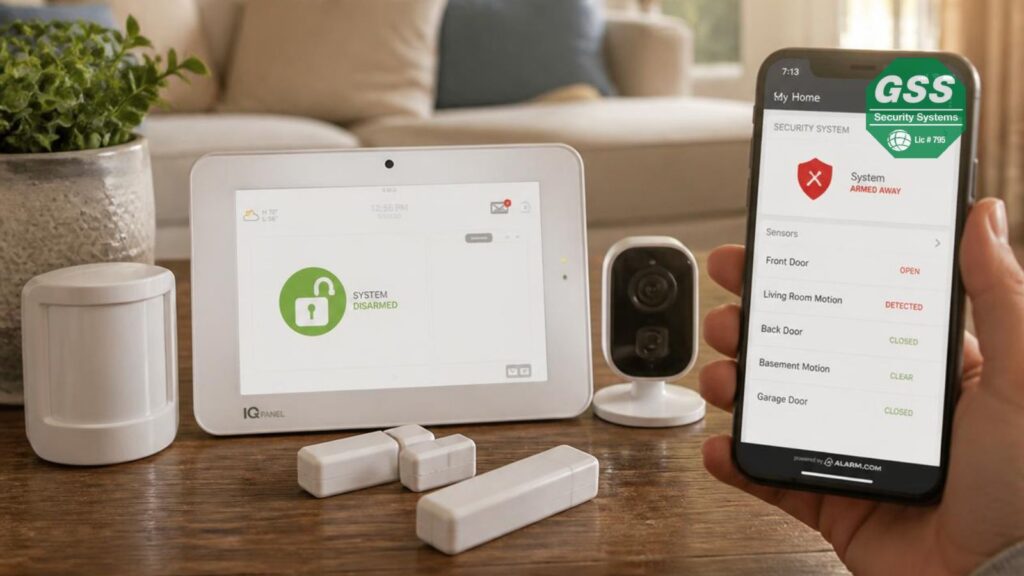
These smart cameras can alert you in real-time via smartphone, eliminating the need for constant manual monitoring.
Key Benefits for Homeowners
For homeowners, the advantages go far beyond basic recording:
- Instant Smartphone Alerts: Know what’s happening even when you’re away.
- False Alarm Reduction: AI can tell the difference between a thief and a raccoon.
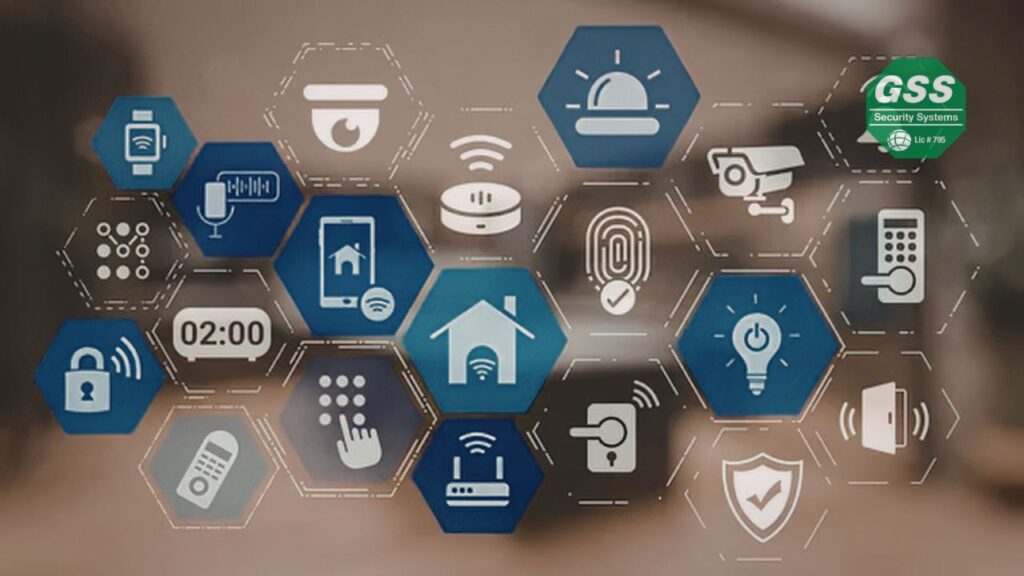
- Smart Home Integration: Sync with Alexa, Google Home, or Apple HomeKit for voice-activated commands and routines.
- Remote Monitoring: Check your home’s security from anywhere in the world.
With AI, your camera becomes your first responder—smart, connected, and always on guard.
Smart Analytics: Turning Data Into Action
AI doesn’t just watch—it learns.
Smart analytics in modern CCTV systems allow you to see heatmaps of movement, track objects or people over time, and even identify suspicious behavior patterns. For example:
- A package thief repeatedly lurking in the area.
- A new face visiting your front door when you’re not home.
- A vehicle idling near your driveway after dark.
These insights help you not just react—but prevent.
Privacy Concerns and How to Address Them
Of course, smarter surveillance comes with a new set of concerns—privacy being at the top.
Homeowners should look for systems that offer:
- End-to-end encryption for footage.
- Local storage options vs. cloud-only.
- Customizable privacy zones so certain areas aren’t recorded.
Also, choose vendors that follow ethical AI practices—especially around facial recognition.
What to Look for in an AI-Powered CCTV System
Ready to upgrade? Here’s what to check before buying:
- ✅ High-definition video (at least 1080p or higher)
- ✅ Night vision with AI-enhanced clarity
- ✅ Smart alerts and customizable motion zones
- ✅ Local + cloud storage options
- ✅ Mobile app with remote control features
- ✅ Compatibility with your existing smart home devices
Whether you want a budget-friendly setup or a full smart security ecosystem, there are options for every need.
The Future is Here: Trends to Watch
Here’s what’s on the horizon:
- Edge Computing: Cameras processing data locally for faster response and better privacy.
- 5G Integration: Lightning-fast streaming with low latency.
- Predictive Surveillance: Systems that anticipate risks before they happen.
- Voice + Facial ID Unlocking: Combine biometrics for smarter, safer access.
AI in home security is only getting smarter—and more accessible.
Smarter Homes Need Smarter Surveillance
CCTV is no longer just about watching—it’s about knowing, learning, and responding. As AI continues to reshape home security, homeowners have the power to make their homes not just safer—but smarter.
If you’re still relying on outdated cameras, it’s time to explore the possibilities of AI-powered systems. They’re the future—and they’re already here.