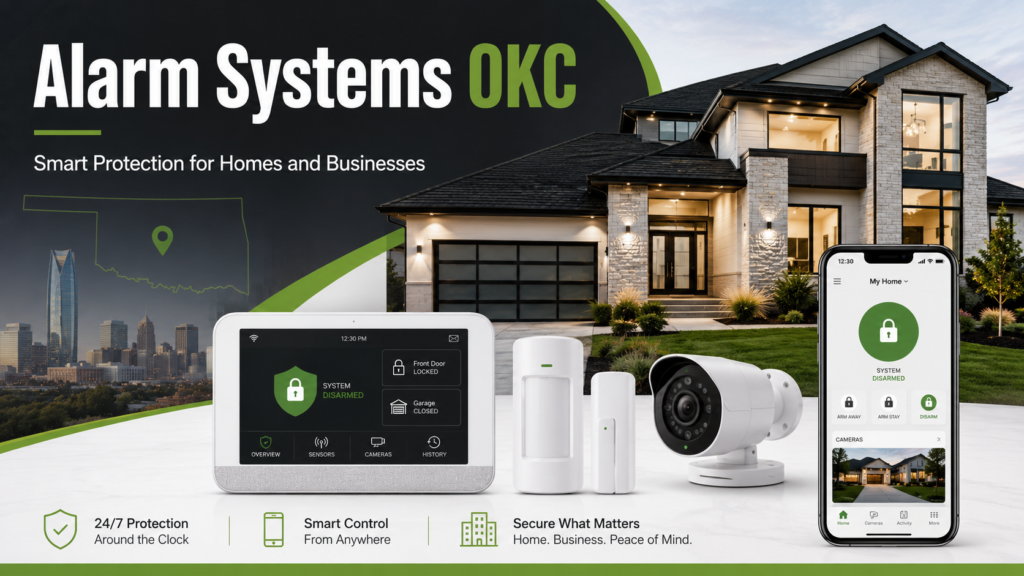




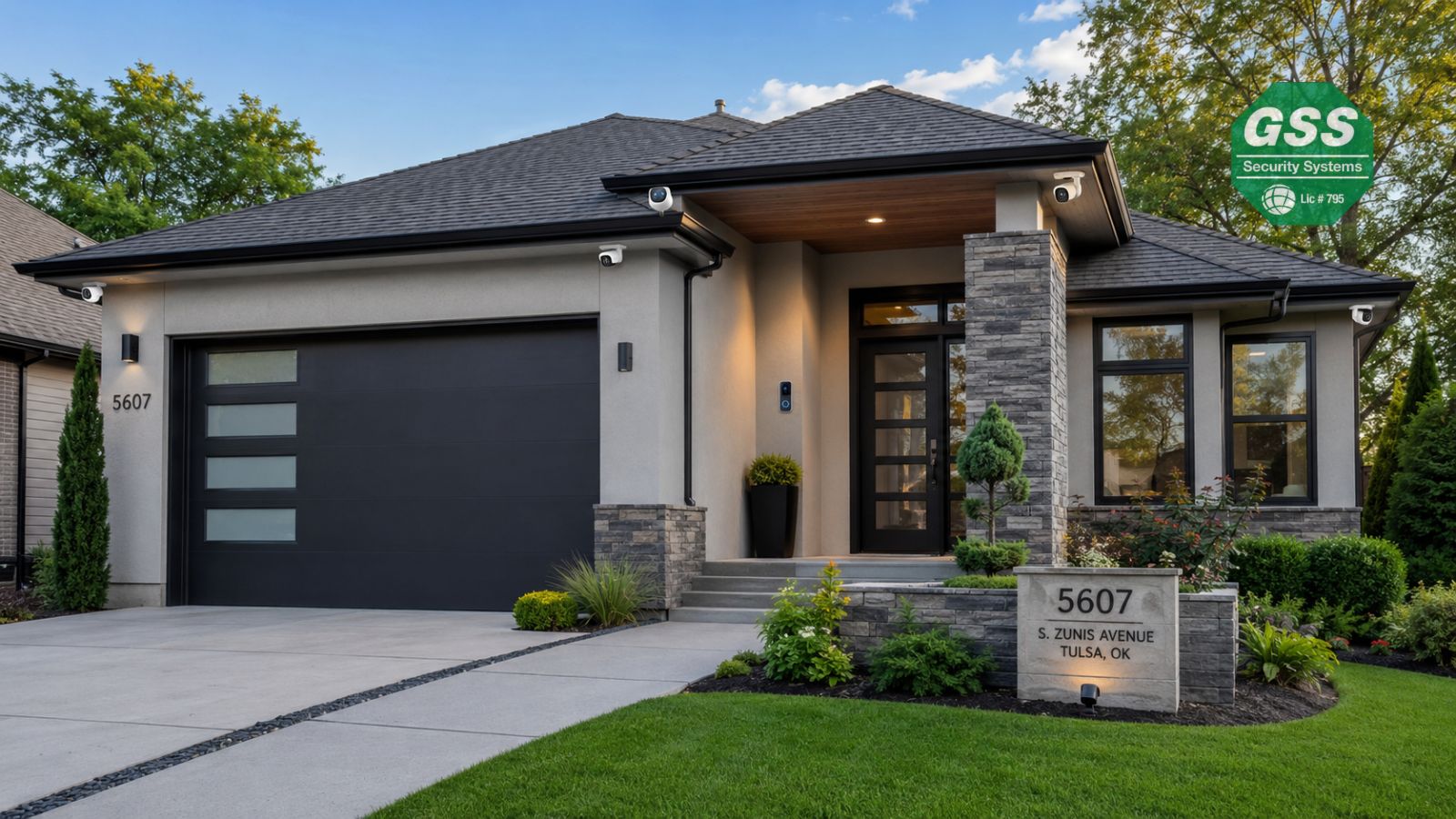
Choosing the right Home Security Systems in Tulsa starts with understanding your property’s needs, the available technology, and the services offered by local providers. Whether you own a home, rent an apartment, or manage rental property, investing in an appropriate security solution can improve awareness of what’s happening around your property and help you respond more quickly to unexpected events.
When considering Home Security Systems in Tulsa, it is essential to evaluate various options available in the market today.
Homeowners must also think about how Home Security Systems in Tulsa can fit into their lifestyle and budget.
This guide explains what to consider before purchasing a system, compares common security options, and highlights practical factors specific to Tulsa homeowners.
Why Home Security Matters in Tulsa
Every city has unique neighborhoods, housing styles, and security concerns. Tulsa includes historic homes, new residential developments, suburban communities, and apartment complexes, each with different security requirements.
A well-designed home security system can help homeowners:
- Monitor entry points
- Receive alerts about unusual activity
- View live camera footage remotely
- Monitor smoke and carbon monoxide alarms
- Integrate with smart home devices
- Deter opportunistic intruders with visible security equipment
While no system can eliminate risk entirely, combining quality equipment with good security habits creates multiple layers of protection.
Assess Your Home Before Buying
Before comparing products or providers, evaluate your property.
Consider:
- Number of exterior doors
- Ground-floor windows
- Garage access
- Backyard entrances
- Existing smart home devices
- Internet reliability
- Pets that may trigger motion sensors
- Whether you own or rent
A larger home may benefit from additional sensors and outdoor cameras, while a smaller apartment may only require entry sensors and a video doorbell.
Essential Features to Look For
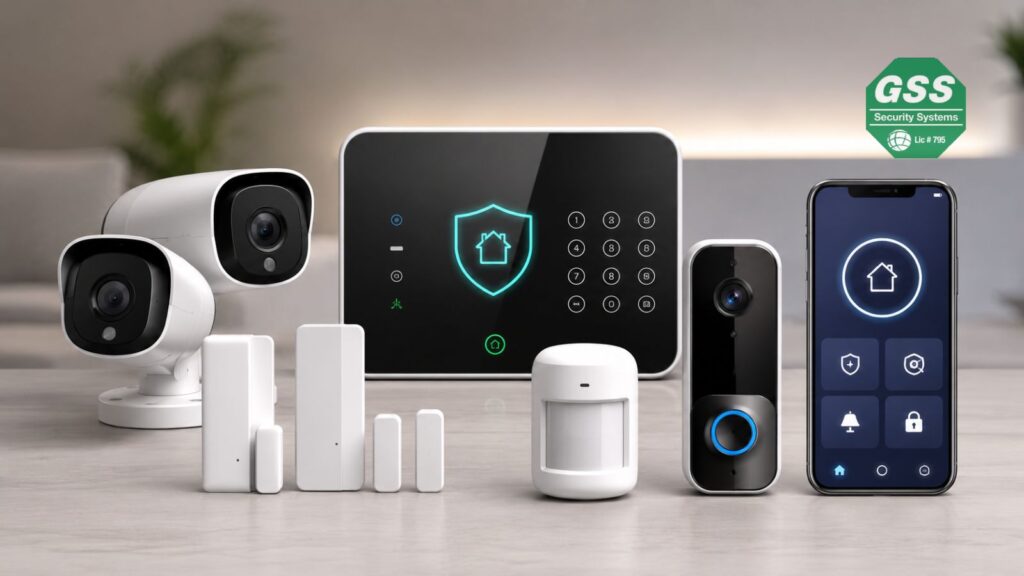
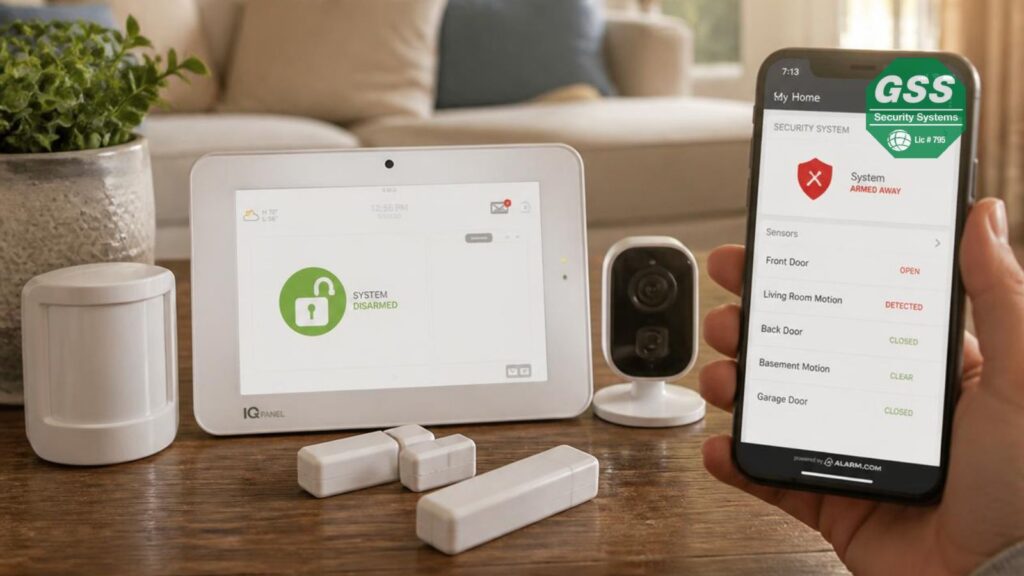
Smart Door and Window Sensors
These sensors notify you when protected doors or windows are opened unexpectedly.
Motion Detection
Motion sensors provide another layer of protection if someone enters the home without opening a monitored entry point.
Indoor and Outdoor Cameras
Many homeowners choose cameras that include:
- High-definition video
- Night vision
- Motion detection
- Two-way audio
- Cloud or local recording
- Mobile notifications
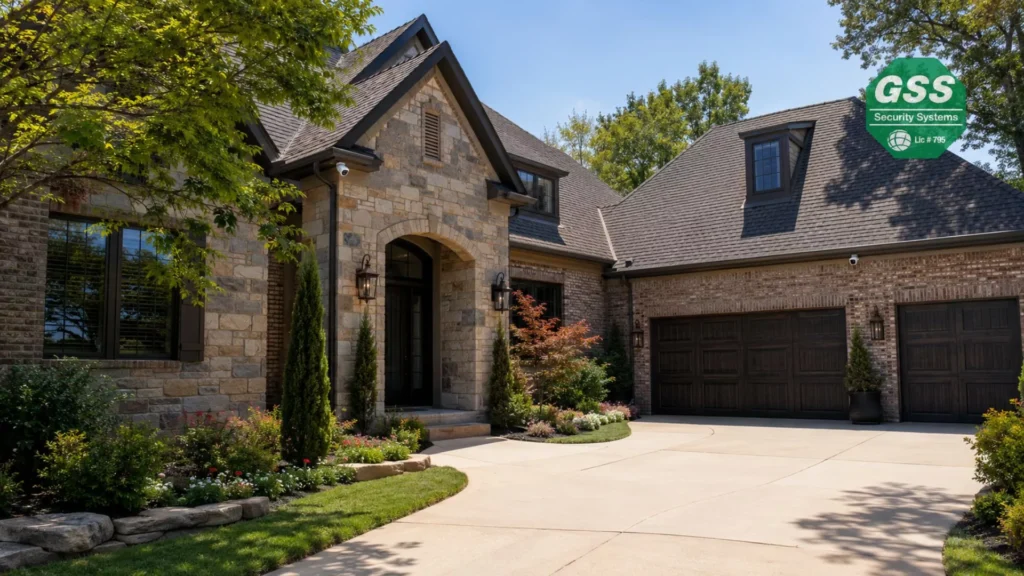
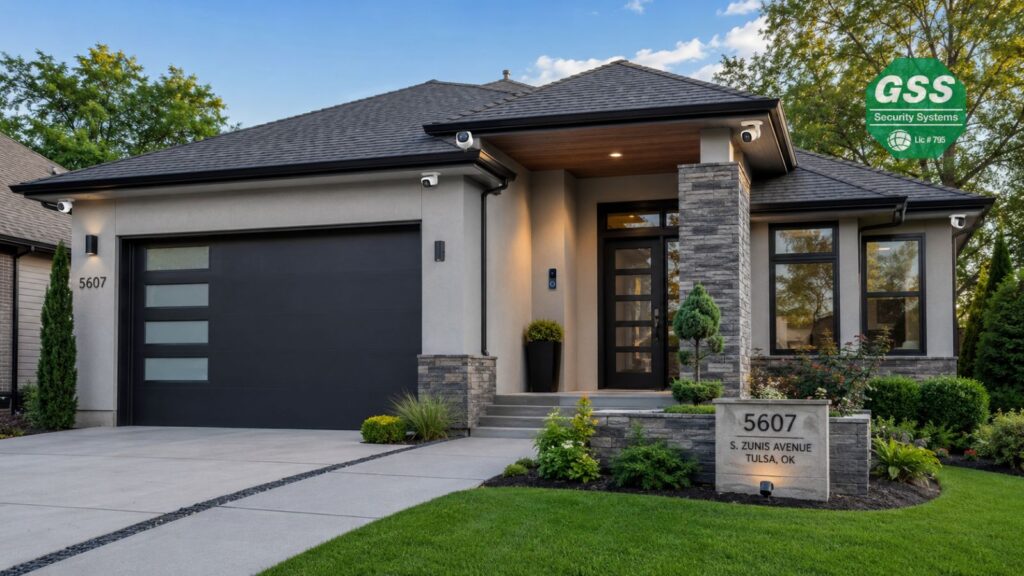
Outdoor cameras are especially useful for driveways, front porches, and backyards.
Video Doorbells
A smart doorbell allows you to:
- See visitors remotely
- Speak through your smartphone
- Receive package delivery alerts
- Review recorded events
Environmental Protection
Many modern systems also support:
- Smoke detection
- Carbon monoxide monitoring
- Water leak sensors
- Freeze sensors
These devices extend protection beyond intrusion detection.
Professional Monitoring vs. Self-Monitoring
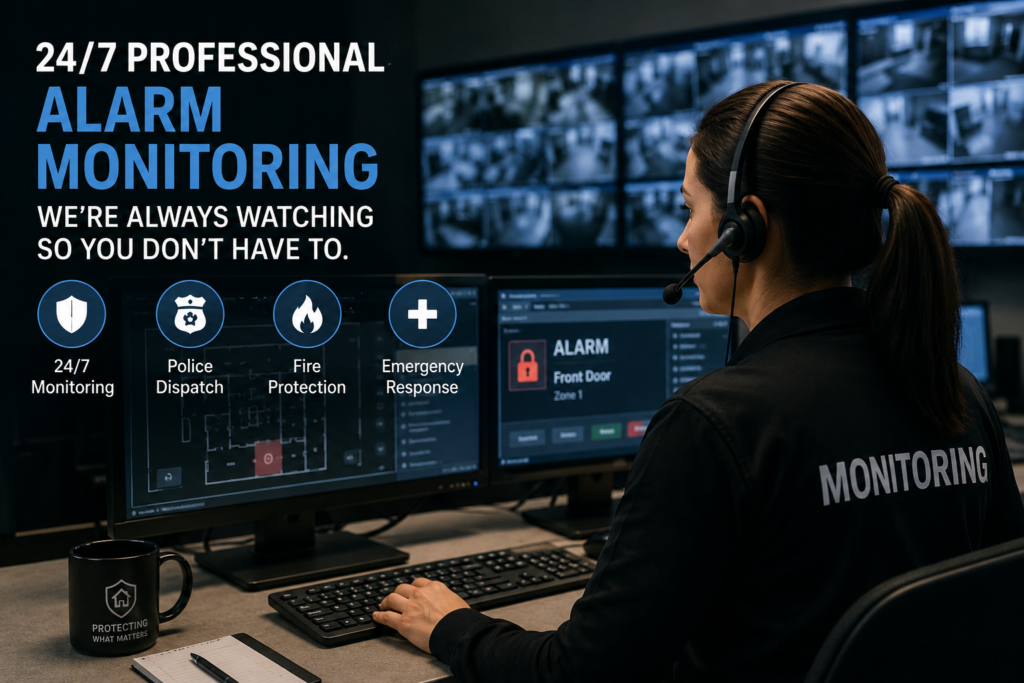
One of the biggest purchasing decisions is whether to subscribe to professional monitoring.
| Feature | Professional Monitoring | Self-Monitoring |
|---|---|---|
| Emergency response | Monitoring center may contact emergency services when appropriate | Homeowner manages alerts |
| Monthly fee | Usually required | Often optional |
| Convenience | Higher | Depends on availability |
| Best for | Frequent travelers, busy households | Budget-conscious users |
The right choice depends on your budget, lifestyle, and preference for managing alerts.
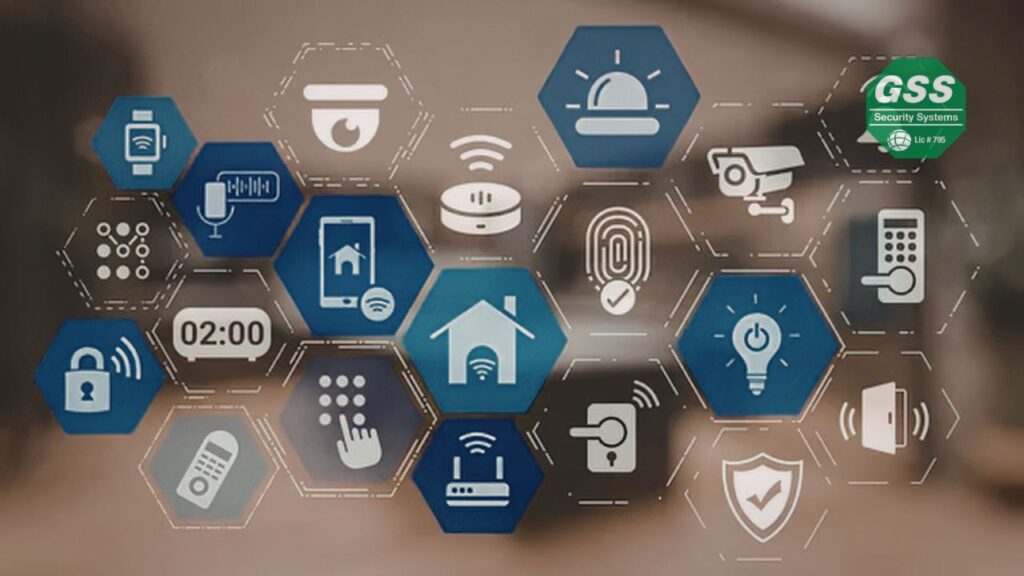
Smart Home Integration
Today’s security systems often work with:
- Smart locks
- Smart lighting
- Thermostats
- Voice assistants
- Garage door controllers
These integrations can automate routines such as locking doors at bedtime or turning on exterior lights when motion is detected.
Understanding Costs
Pricing varies depending on:
- Equipment packages
- Number of cameras
- Professional installation
- Monitoring subscriptions
- Cloud storage
- Extended warranties
Rather than focusing solely on the lowest upfront cost, compare the total cost of ownership over several years.
Choosing the Right Security Provider
When comparing companies, consider:
Experience and Reputation
Look for established providers with consistent customer feedback and clear service policies.
Installation Options
Some companies offer:
- Professional installation
- DIY installation
- Hybrid solutions
Choose the option that best fits your comfort level.
Customer Support
Reliable customer service becomes especially important if equipment requires troubleshooting or replacement.
Contracts
Before signing, understand:
- Contract length
- Cancellation policies
- Equipment ownership
- Renewal terms
- Warranty coverage
Transparent pricing and clearly written agreements make comparison easier.
Privacy and Cybersecurity
Connected security devices should be protected just like other internet-connected technology.
Best practices include:
- Use strong, unique passwords.
- Enable multi-factor authentication where available.
- Keep device firmware updated.
- Secure your Wi-Fi network.
- Review camera sharing and privacy settings regularly.
Common Buying Mistakes
Avoid these frequent errors:
- Purchasing based only on price
- Installing too few cameras
- Ignoring future expansion needs
- Choosing equipment that doesn’t integrate with existing smart devices
- Overlooking warranty and service terms
- Forgetting routine battery replacement for wireless devices
Local Buying Checklist
Before purchasing a Home Security Systems in Tulsa solution, ask yourself:
- Does the system cover all primary entry points?
- Do I want professional monitoring?
- Can I control everything from a mobile app?
- Will the system grow with my future needs?
- Does the provider clearly explain pricing?
- Are installation and warranty details easy to understand?
- Does the equipment integrate with my smart home ecosystem?
Answering these questions can help narrow your options and support a confident purchasing decision.
Frequently Asked Questions
What is the best home security system in Tulsa?
There is no single best option for every household. The ideal system depends on your home’s size, desired features, budget, and whether you prefer professional monitoring or self-monitoring.
Are wireless security systems reliable?
Modern wireless systems are generally dependable when installed correctly, maintained properly, and connected to a reliable internet network.
Should renters install a home security system?
Yes. Many wireless systems are designed for renters because they require little or no permanent modification.
How many security cameras does a typical home need?
Many homes begin with two to four cameras covering the front entrance, driveway, backyard, and another primary access point. Larger properties may require additional coverage.
Is professional monitoring worth the monthly cost?
Professional monitoring may appeal to homeowners who want an additional layer of response, particularly during travel or extended absences.
Can I expand my security system later?
Many modern systems are modular, allowing homeowners to add cameras, sensors, smart locks, or environmental detectors as needs change.
Conclusion
Selecting the right Home Security Systems in Tulsa involves more than comparing equipment prices. Evaluate your property’s layout, prioritize the features that matter most, compare monitoring options, and choose a provider with transparent pricing and dependable customer support. A thoughtful, scalable system can help you better monitor your home today while remaining flexible for future needs. Additionally, remember that Home Security Systems in Tulsa are an investment in safety.
Investing in Home Security Systems in Tulsa not only provides peace of mind but also protects your family and belongings.
It is vital to explore all available Home Security Systems in Tulsa to ensure comprehensive coverage.